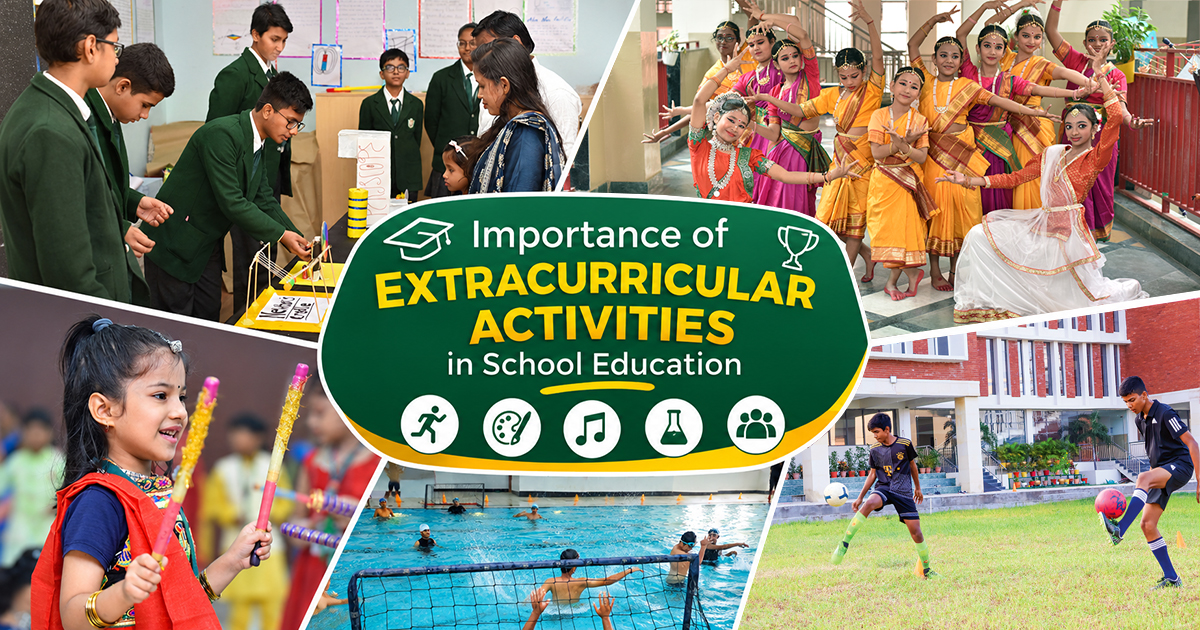
Importance of Extracurricular Activities in School Education.
Education is not limited to textbooks, examinations, and classroom lessons. A child's overall development depends on opportunities to explore interests, discover talents, build confidence, and develop essential life skills. This is where extracurricular activities play an important role in school education.
In today's competitive and evolving world, academic knowledge alone is not enough. Students also need creativity, communication skills, teamwork, leadership qualities, and the confidence to face new challenges. Extracurricular activities provide a valuable platform for developing these abilities while making the school experience more engaging and meaningful.
At Delhi Public School Patna East, we believe that a balanced educational experience should encourage students to learn both inside and outside the classroom.
What Are Extracurricular Activities?
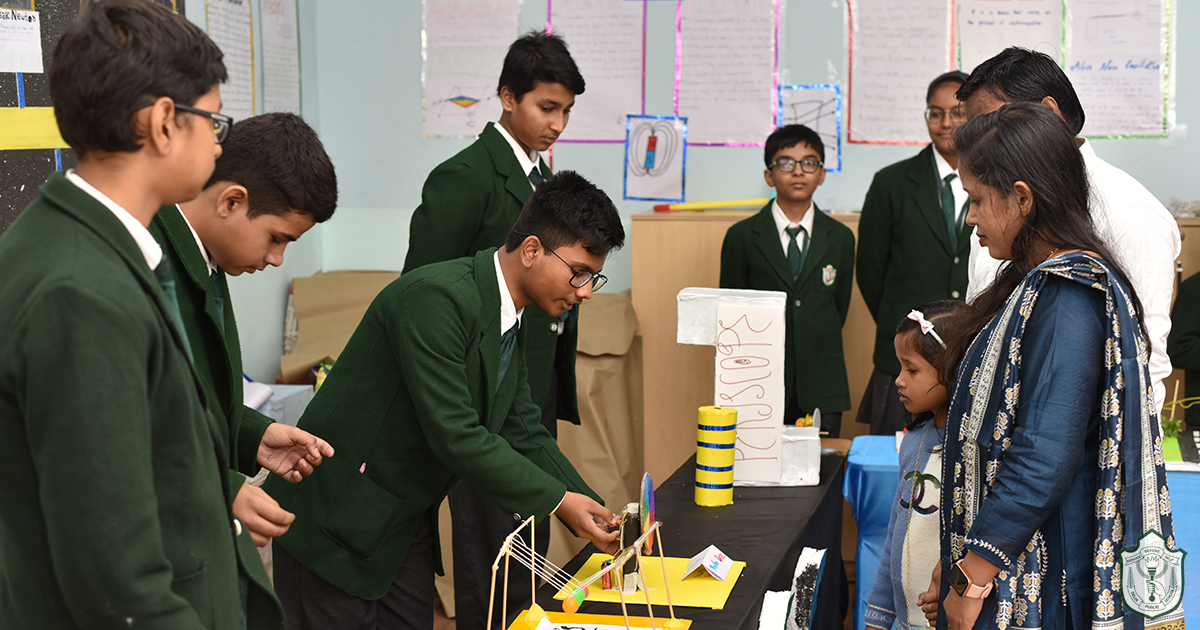
Students presenting creative science projects during a school exhibition.
Extracurricular activities are organised activities that take place beyond regular academic lessons. They allow students to explore different interests, participate in group experiences, and develop abilities that may not always be covered through conventional classroom teaching.
Some popular extracurricular activities in schools include:
Sports and Athletics: Football, basketball, swimming, cricket, athletics, and other physical activities.
Performing Arts: Music, dance, drama, theatre, and public performances.
Creative Arts: Painting, drawing, craft, sculpture, and other creative pursuits.
Literary Activities: Debate, essay writing, storytelling, poetry, and public speaking.
Leadership Activities: Student councils, school clubs, group projects, and event organisation.
Community Activities: Environmental awareness, cleanliness campaigns, and community service.
These activities help children discover their interests while learning valuable skills through practical experiences.
7 Important Benefits of Extracurricular Activities for Students.
1. Builds Confidence and Self-Esteem
Participating in extracurricular activities gives students opportunities to express themselves, showcase their talents, and overcome personal challenges.
Whether performing on stage, participating in a competition, or representing their school in a sporting event, every experience helps children become more comfortable in unfamiliar situations.
Gradually, these experiences strengthen their confidence and encourage them to take initiative.
Gradually, these experiences strengthen their confidence and encourage them to take initiative.
2. Develops Teamwork and Cooperation
Many extracurricular activities involve working with other students towards a shared objective.
Team sports, group performances, cultural programmes, and school competitions teach children how to cooperate, respect different opinions, share responsibilities, and support one another.
These experiences help students understand the importance of teamwork, a skill that remains valuable throughout their personal and professional lives.
3. Encourages Creativity and Imagination
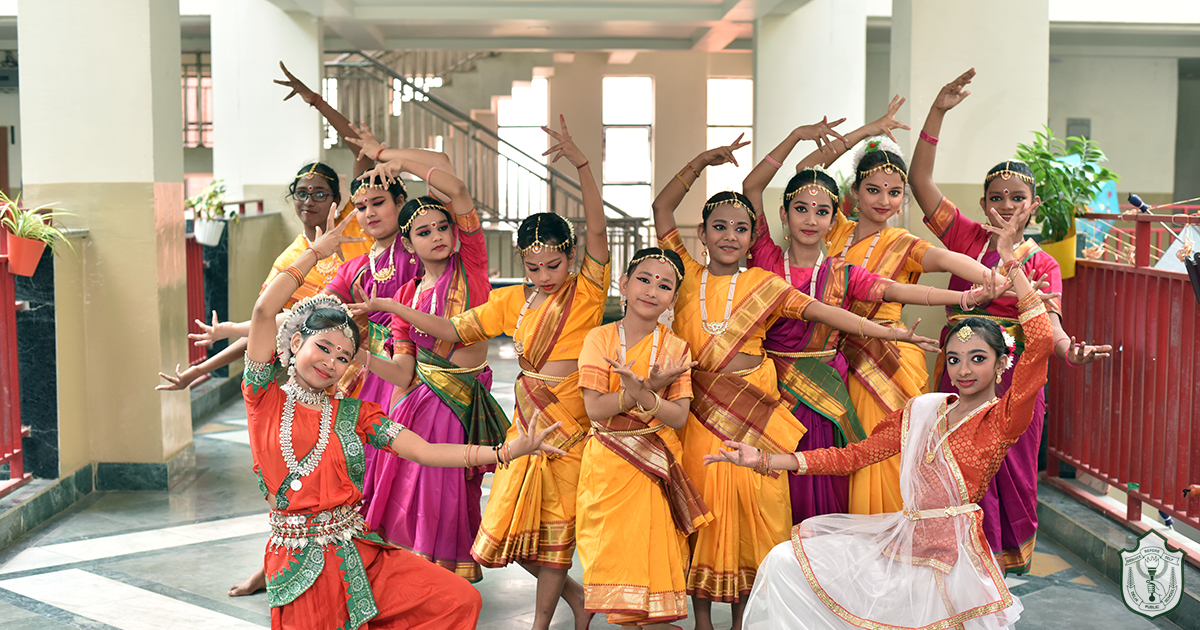
Students performing traditional dance during a school cultural programme.
Creative activities such as painting, music, dance, drama, and craft encourage students to think independently and explore new ideas.
They provide opportunities for children to express their thoughts, experiment with different approaches, and develop their imagination.
Encouraging creativity also helps students approach academic challenges with curiosity and innovative thinking.
4. Promotes Physical Fitness and Healthy Living
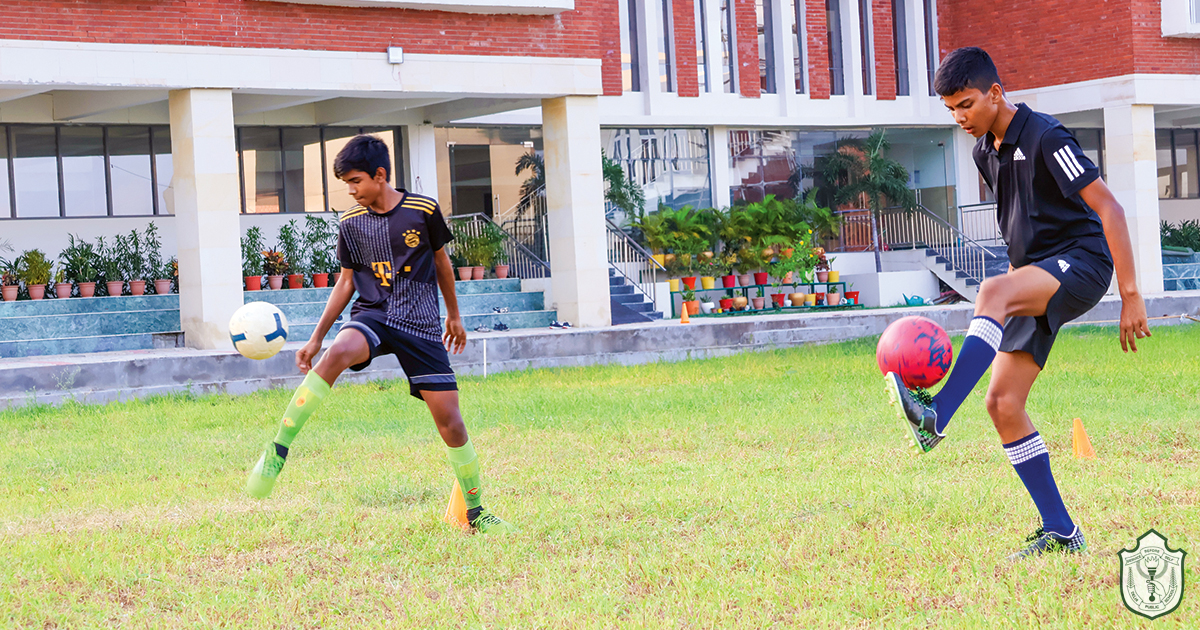
Students participating in sports and physical activities at DPS Patna East.
Sports and physical activities are essential for maintaining a healthy lifestyle.
Regular participation in outdoor games, swimming, athletics, and other physical activities helps students develop coordination, stamina, flexibility, and physical strength.
Sports also teach discipline, perseverance, patience, and respect for rules. These habits contribute to healthy development during childhood and adolescence.
5. Strengthens Leadership and Communication Skills
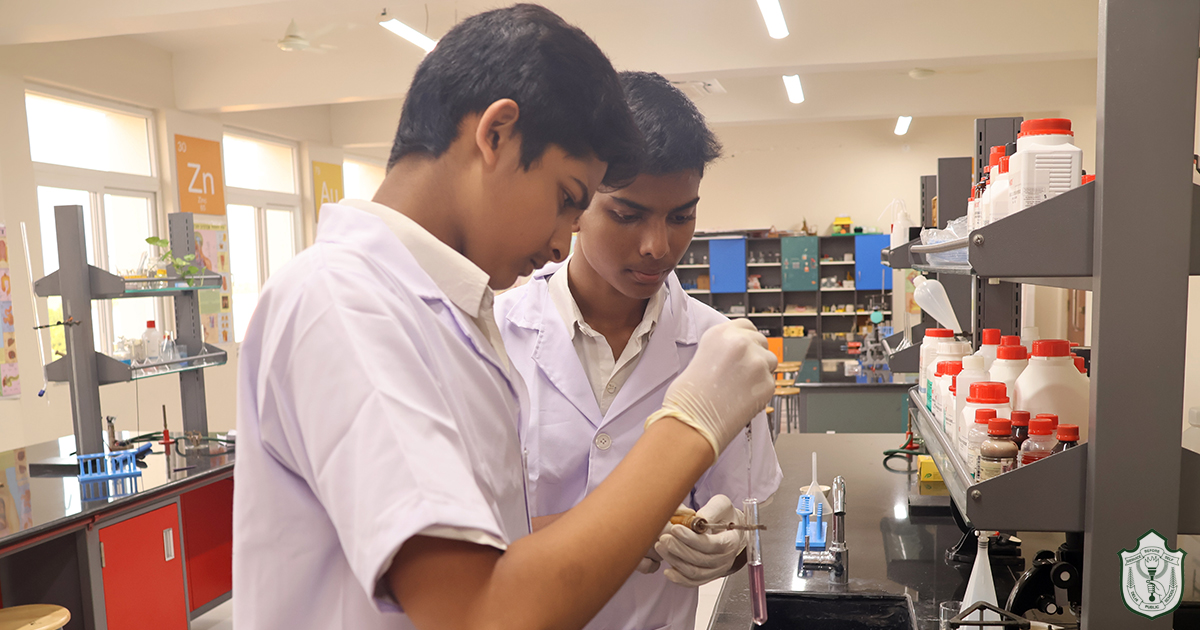
Students working together on a group activity to develop teamwork and leadership skills.
Extracurricular activities often provide opportunities for students to take responsibility, organise events, lead teams, and communicate with others.
Activities such as debates, public speaking, student clubs, and group projects encourage children to express ideas clearly and listen to different perspectives.
Such experiences help develop leadership qualities and prepare students to take responsibility in different situations.
6. Improves Time Management and Discipline
Balancing academics with extracurricular activities teaches students how to organise their daily schedules and manage responsibilities.
Students gradually learn to prioritise tasks, follow routines, meet deadlines, and make productive use of their time.
These habits encourage self-discipline and help children develop a balanced approach towards their studies and personal interests.
7. Supports Emotional and Social Development
School activities provide opportunities for children to interact with classmates, make friendships, and develop meaningful relationships.
Participating in group activities can help students improve social interaction, manage emotions, handle challenges, and develop empathy.
A positive extracurricular experience also gives children opportunities to recognise their strengths and learn from their mistakes.
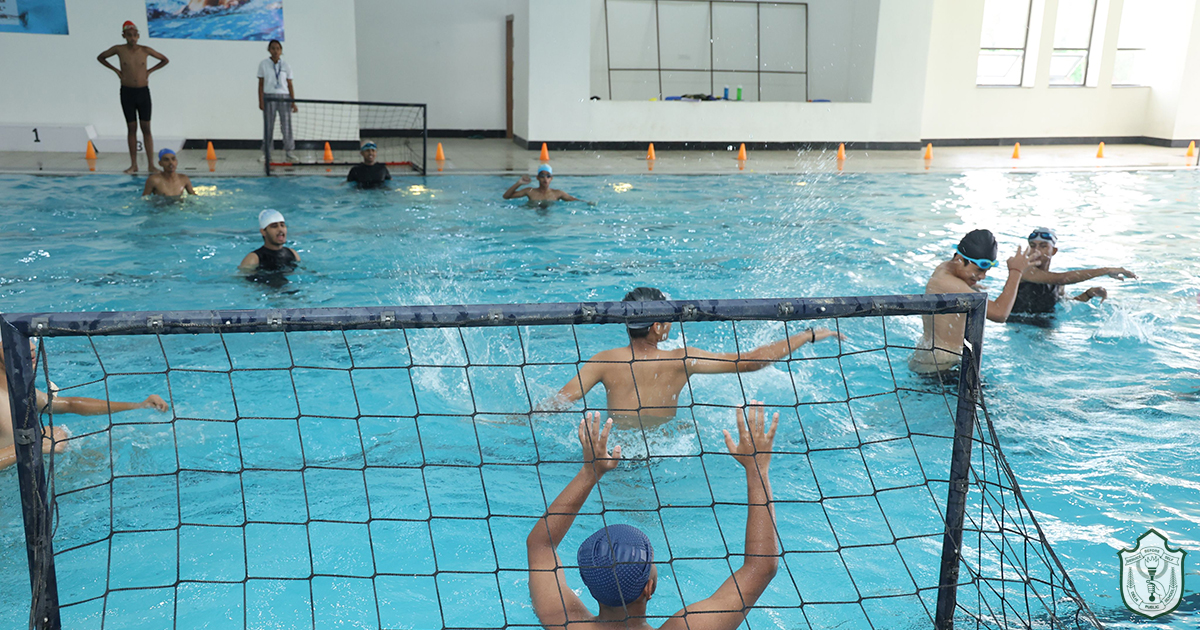
Students participating in swimming as part of school physical activities.
How Schools Can Encourage Extracurricular Participation.
Schools play an important role in creating an environment where every child feels encouraged to participate.
A well-planned extracurricular programme should provide opportunities across different interests and abilities.
Some effective approaches include:
- Organising regular sports competitions and cultural programmes.
- Providing opportunities for music, dance, art, and creative activities.
- Encouraging participation in debates, quizzes, and literary competitions.
- Organising educational events and experiential learning activities.
- Supporting student-led clubs and leadership initiatives.
- Recognising participation, improvement, teamwork, and individual achievements.
The objective should not be to make every student excel in every activity, but to help each child discover and develop their individual strengths.
Finding the Right Balance Between Academics and Extracurricular Activities.
One common concern among parents is whether extracurricular activities affect academic performance.
The key is maintaining a healthy balance.
Extracurricular activities should complement classroom education rather than replace it. A structured routine that includes sufficient study time, physical activity, creative interests, and rest can support a child's overall development.
Parents and teachers can work together to identify activities that match a child's interests, abilities, and schedule.
Children should also be encouraged to participate willingly rather than feeling pressured to achieve success in every activity.
The Role of Extracurricular Activities at DPS Patna East.
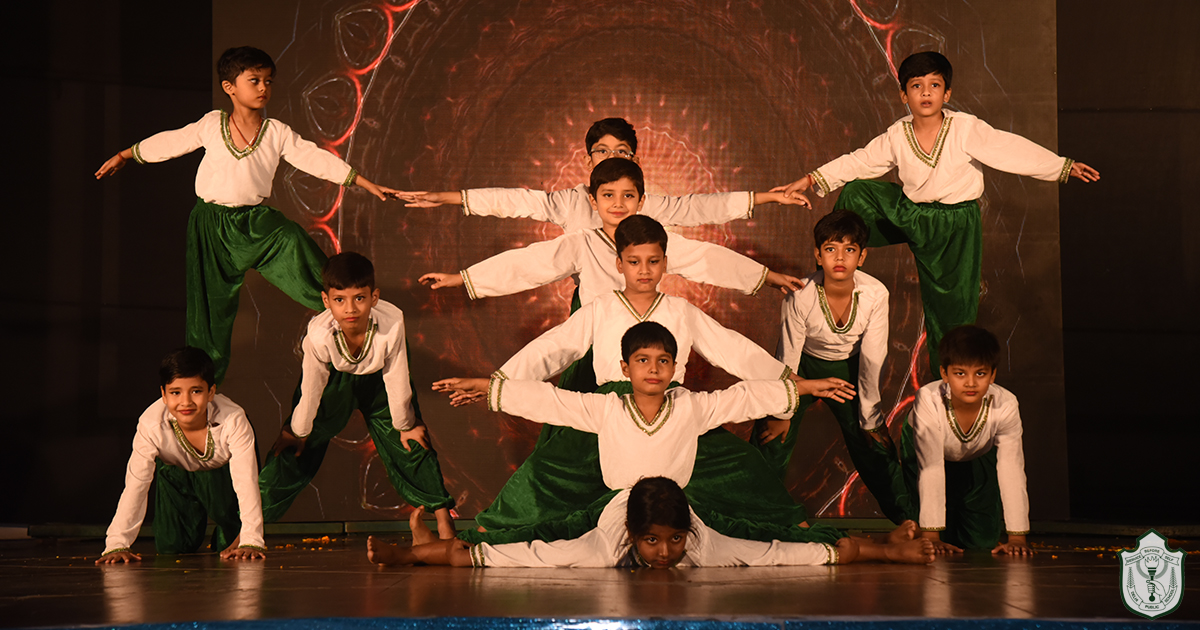
Students participating in school events and extracurricular activities at DPS Patna East.
At Delhi Public School Patna East, we recognise that meaningful education involves developing abilities beyond academic learning.
We encourage students to explore their interests through sports, creative pursuits, cultural programmes, competitions, and other enriching experiences.
These opportunities allow children to discover their talents, interact with their peers, develop confidence, and learn valuable lessons through participation.
Through different learning experiences, students get opportunities to develop skills that contribute to their growth as confident, responsible, and independent individuals.
Our focus is on creating an educational environment that supports academic progress while encouraging creativity, discipline, teamwork, and holistic development.
How Parents Can Encourage Their Children.
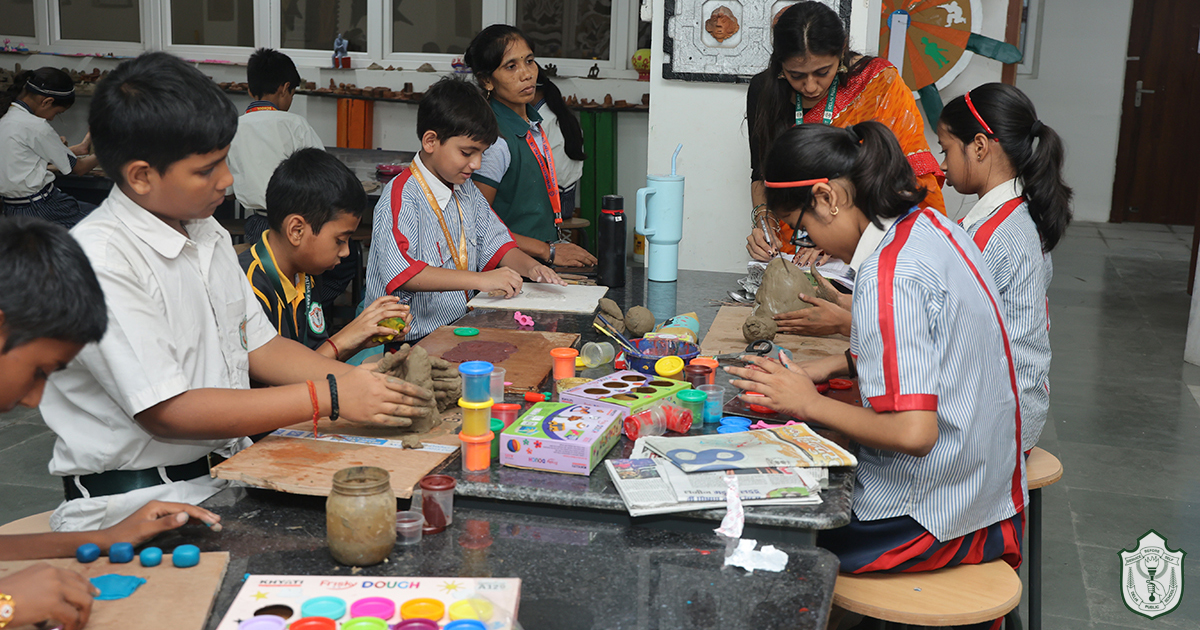
Students developing creativity through painting and art activities at school.
Parents can make a significant contribution to their child's extracurricular journey.
Here are some practical suggestions:
1. Understand your child's interests: Observe which activities naturally attract your child's attention.
2. Encourage exploration: Allow children to try different activities before choosing their favourites.
3. Appreciate participation: Recognise effort and improvement rather than focusing only on winning.
4. Maintain a balanced routine: Ensure children have enough time for studies, activities, and rest.
5. Stay involved: Communicate with teachers and encourage participation in suitable school programmes.
Most importantly, allow children to enjoy the learning process without unnecessary pressure.
Conclusion.
Extracurricular activities are an essential part of a balanced school education. They help students develop confidence, creativity, teamwork, communication, leadership, and discipline while providing opportunities to discover their interests and talents.
Academic knowledge builds the foundation for learning, while experiences beyond the classroom help children apply their abilities, interact with others, and prepare for real-life challenges.
At DPS Patna East, we believe that every child deserves opportunities to explore, participate, and grow.
Because education is not just about what students learn in the classroom; it is also about who they become through every experience.
Frequently Asked Questions.
Extracurricular activities help students develop essential life skills such as teamwork, communication, leadership, creativity, and confidence. They complement academic learning and contribute to the overall development of children.
Common extracurricular activities include sports, swimming, music, dance, painting, drama, debates, quizzes, public speaking, art and craft, and student clubs. These activities allow children to explore their interests and discover their talents.
Extracurricular activities can support academic learning by improving concentration, time management, discipline, problem-solving, and motivation. They also provide students with opportunities to refresh their minds and return to classroom learning with renewed enthusiasm.
Yes. Participating in competitions, performances, sports, and group activities gives children opportunities to express themselves, overcome challenges, and recognise their abilities. These experiences gradually strengthen self-confidence and self-esteem.
Activities such as team sports, student clubs, debates, and event organisation encourage students to take responsibility, make decisions, communicate effectively, and work towards common goals. These experiences help develop leadership qualities.
Parents should consider their child’s interests, age, abilities, and preferences. Encouraging children to explore different activities without unnecessary pressure helps them discover what they genuinely enjoy.
There is no fixed number. Students should choose activities according to their interests, academic responsibilities, and available time. Maintaining a healthy balance between studies, activities, rest, and recreation is most important.
DPS Patna East believes in education beyond textbooks. Through sports, creative pursuits, cultural programmes, competitions, and other learning experiences, the school encourages students to develop confidence, creativity, teamwork, discipline, and essential life skills.