

Best Time for School Admission: The Complete Parent's Guide for 2027–28.
Choosing the right school is one of the most important decisions parents make for their child's future. However, selecting the right school is only part of the journey—applying at the right time is equally important. Many parents wait until admission announcements are made, only to discover that they have limited time to complete applications, gather documents, or visit shortlisted schools.
Understanding the best time for school admission helps parents avoid unnecessary stress and gives them enough time to make informed decisions. Early planning allows families to compare schools, prepare the required documents, visit campuses, and complete the admission process without rushing.
Whether you are looking for Nursery admission, Primary admission, or admission to higher classes, this guide explains the ideal timeline and practical steps to help you prepare for the 2027–28 academic session.
Why Timing Matters in School Admission.
School admissions follow a structured timeline. Missing important dates can reduce the number of available options or lead to unnecessary delays.
Planning early helps parents:
- Research schools thoroughly.
- Compare teaching methodologies.
- Understand eligibility requirements.
- Visit campuses before applying.
- Prepare all admission documents.
- Complete the admission process comfortably.
- Help children adjust mentally before school begins.
Parents who plan ahead usually have more flexibility and confidence during the admission process.

When Do School Admissions Usually Begin?
Most CBSE and private schools begin admissions several months before the academic session starts. Although exact schedules vary by school, many institutions announce admissions between October and January for the following academic year.
For the 2027–28 session, parents should start researching schools even before admission notifications are released.
A typical timeline looks like this:
July–September
- Research schools.
- Compare facilities and curriculum.
- Visit school websites.
- Prepare a shortlist
September–October
- Attend campus visits.
- Speak with admission counsellors.
- Gather required documents.
October–January
- Admission forms become available at many schools.
- Submit applications.
- Complete interactions or assessments (if applicable).
January–March
- Fee payment.
- Uniforms and books.
- Orientation programmes.
Starting early means you won’t feel rushed when admissions officially begin.
Signs That Your Child Is Ready for School.
School readiness is about much more than age. A child should also be emotionally, socially, and physically prepared.
Some positive signs include:
- Comfortable communicating basic needs.
- Able to follow simple instructions.
- Curious about learning.
- Enjoys interacting with other children.
- Can perform simple self-care tasks.
- Shows interest in books, colours, numbers, and stories.
Every child develops at their own pace, so avoid unnecessary comparisons.
Why Early Admission Planning Is Beneficial.
1. More Time to Research Schools
Parents can compare:
- Academic programmes.
- Teaching approach.
- Infrastructure.
- Sports facilities.
- Co-curricular opportunities.
- Safety measures.
- Boarding facilities (if required).
Better research leads to better decisions.
2. Better Preparation of Documents
Many parents begin collecting documents only after admission forms are released.
Instead, prepare early:
- Birth Certificate.
- Passport-size photographs.
- Address proof.
- Previous report cards.
- Transfer Certificate (if applicable).
- Medical records.
Organizing these documents beforehand prevents last-minute stress.
3. Opportunity to Visit the Campus
A campus visit provides valuable insights that websites cannot fully capture.
During your visit, observe:
- Classroom environment.
- Laboratories.
- Library.
- Sports facilities.
- Student behaviour.
- Safety measures.
- Cleanliness.
- Overall learning atmosphere.
Meeting teachers and counsellors also helps parents understand the school’s educational philosophy.
4. Time to Prepare Your Child
Children often need time to adjust to the idea of starting a new school.
Parents can help by:
- Talking positively about school.
- Creating daily routines.
- Encouraging independence.
- Reading storybooks together.
- Visiting the campus beforehand.
- Practising social interaction.
Small preparations build confidence.
5. More School Choices
Applying early often gives parents a wider range of options. Delaying the process may limit availability, especially in popular schools.
Early planning allows you to choose the school that best fits your child’s needs rather than settling because of time constraints.
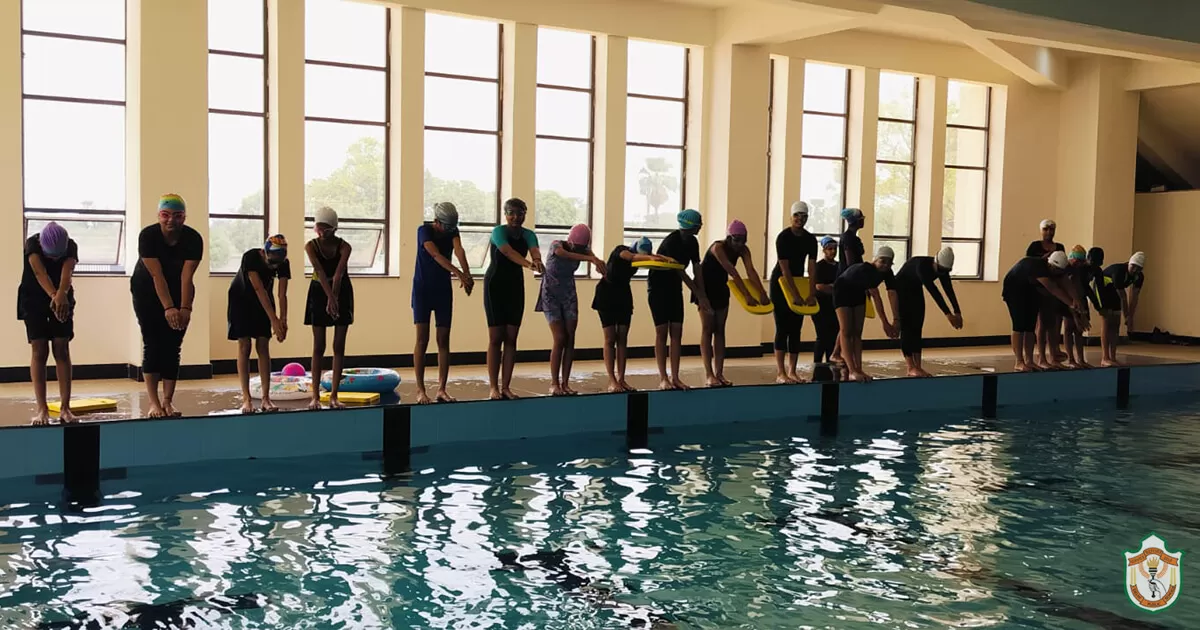
Factors to Consider Before Applying.
Instead of choosing a school based only on reputation, evaluate several important factors.
Academic Excellence
Look for experienced teachers, strong learning outcomes, and a balanced curriculum.
Student Development
Choose a school that values sports, arts, leadership, life skills, and creativity alongside academics.
Safety
Check campus security, transport safety, CCTV coverage, and student welfare practices.
Infrastructure
Modern classrooms, laboratories, libraries, sports facilities, and activity spaces contribute to a better learning experience.
Communication
Schools that maintain open communication with parents create stronger partnerships and support student success.
Common Mistakes Parents Should Avoid.
Avoid these common mistakes:
- Waiting until the last moment.
- Applying without researching schools.
- Ignoring campus visits.
- Missing important deadlines.
- Submitting incomplete documents.
- Choosing only based on fees or popularity.
- Comparing children with others.
- Rushing the decision.
Thoughtful planning leads to better outcomes.
How Parents Can Create an Admission Timeline.
A simple checklist can make the process easier:
3–6 Months Before Admissions
- Research schools.
- Shortlist options.
- Visit campuses.
2–3 Months Before Admissions
- Gather documents.
- Discuss admission requirements.
- Prepare your child emotionally.
When Admissions Open
- Submit the application.
- Complete interactions or assessments.
- Track important dates.
After Admission Confirmation
- Complete fee formalities.
- Purchase uniforms and books.
- Attend orientation.
- Establish school routines at home.

Why Consider DPS Patna East?
Parents looking for a balanced educational experience should consider schools that focus on academic excellence, holistic development, and student well-being.
DPS Patna East offers:
- CBSE curriculum
- Experienced faculty
- Smart classrooms
- Library and digital learning resources
- Sports and co-curricular programmes
- Safe and secure campus
- Boarding and Weekend Boarding facilities
- Student-focused learning environment
Parents are encouraged to visit the campus, interact with the admissions team, and explore the facilities before making an admission decision.
Conclusion.
Knowing the best time for school admission helps parents make informed decisions and ensures a smoother admission journey. Starting your research early, preparing documents in advance, visiting schools, and understanding the admission timeline can reduce stress and give your child the best possible start.
Remember that the right school is one that supports not only academic success but also confidence, creativity, values, and overall development. With thoughtful planning and the right guidance, you can make the admission process a positive experience for your entire family.
Frequently Asked Questions.
Most schools begin admissions between October and January for the next academic session. It is best to start researching schools several months before admissions open.
Ideally, begin preparing 3–6 months before admissions by researching schools, gathering documents, and visiting campuses.
Early planning gives parents more time to compare schools, prepare documents, understand admission requirements, and help children adjust before school starts.
No. Admission schedules vary by school, so parents should regularly check the school’s official website or contact the admissions office for the latest updates.
Yes. Visiting the campus helps parents evaluate the school’s environment, infrastructure, facilities, and teaching approach before making a final decision.